Keep this leaflet. It is a research insert, not a storefront. If you have questions, use the questions pack — not a chat widget.
drughub market onion
Longer arguments live under this index, each as a separate indexed document with its own scope, its own hedges, and its own typesetting date. Readers who searched drughub market onion should not arrive at a dossier chapter and find a synonym of the home page with extra headings — each room exists because the argument it carries is too developed to summarise in a bullet and too distinct to share a URL with a different argument.
Chapters argue. The cover leaflet sorts. The briefing compares. If you only have ten minutes with this publication, read v3 labels and counterfeit packs and then stop — those two chapters contain the hygiene lessons that bear most directly on what most readers arriving on this query actually need.
Package inserts are shorter dated memos with replacement in mind. They are not duplicates of chapters with a different header. Use both without treating either as a permanent statement; both should be revised when public facts change.
Why drughub tor wikis dump every topic onto one URL
Public drughub tor wikis tend to accumulate all topics onto a single URL — a one-page-fits-all architecture that is convenient for clones because it requires no editorial judgement about which argument belongs where, and that is difficult for readers because no single claim is findable, checkable, or attributable to a specific piece of reasoning. This index is the opposite: modifiers get rooms, rooms get hedges, and claims can be revised without destroying the surrounding structure.
Start with v3 naming if the question you came with is about pasting strings. Start with clone surface if you arrived from a search result and want to know why that arrival is itself a risk signal. Start with canary notes if you have been treating the running header or the typesetting date on any page of this publication as a legal instrument — because that confusion is common and the chapter addresses it directly.
Escrow-claim and rep-signal chapters exist to deflate slogans and introduce vocabulary for reading platform claims critically, not to walk through dispute processes or advise on how to evaluate a vendor. If you need operational steps of any kind, you are in the wrong publication.
How this index rooms drughub darknet modifiers
- PL 26-02-A
V3 naming and identifiers - PL 26-02-B
Clone surface and counterfeit packs - PL 26-02-C
Canary notes - PL 26-02-D
Escrow as a claim - PL 26-02-E
Reputation signals - PL 26-02-F
How open dates fail - PL 26-02-G
Client notes - PL 26-02-H
Reading intel blogs - PL 26-02-I
Label hygiene - PL 26-02-J
Reading market round-ups
The drughub darknet listicle architecture wants one URL to rank for every query modifier: one page for mirrors, one for escrow, one for access, one for coins, all pointing back to each other in a loop. This index inverts that architecture deliberately. Modifiers get rooms with distinct arguments, and those rooms point back to the briefing and the mirrors sheet as pillar documents — not to a footer dump of thirty links designed to look like a citation network.
Internal links from chapters flow in a considered direction: from the specific room back to the covering documents, and from covering documents forward to rooms that carry the relevant argument. The goal is navigation, not the appearance of depth.
When should a reader stop collecting chapters?
Mid-index note: opening every chapter in sequence will not authenticate a drughub market onion string. Reading is not a key ceremony. At some point, a reader either has a signed document from a trusted key or accepts that uncertainty is the honest conclusion — and this index cannot resolve that by adding more rooms.
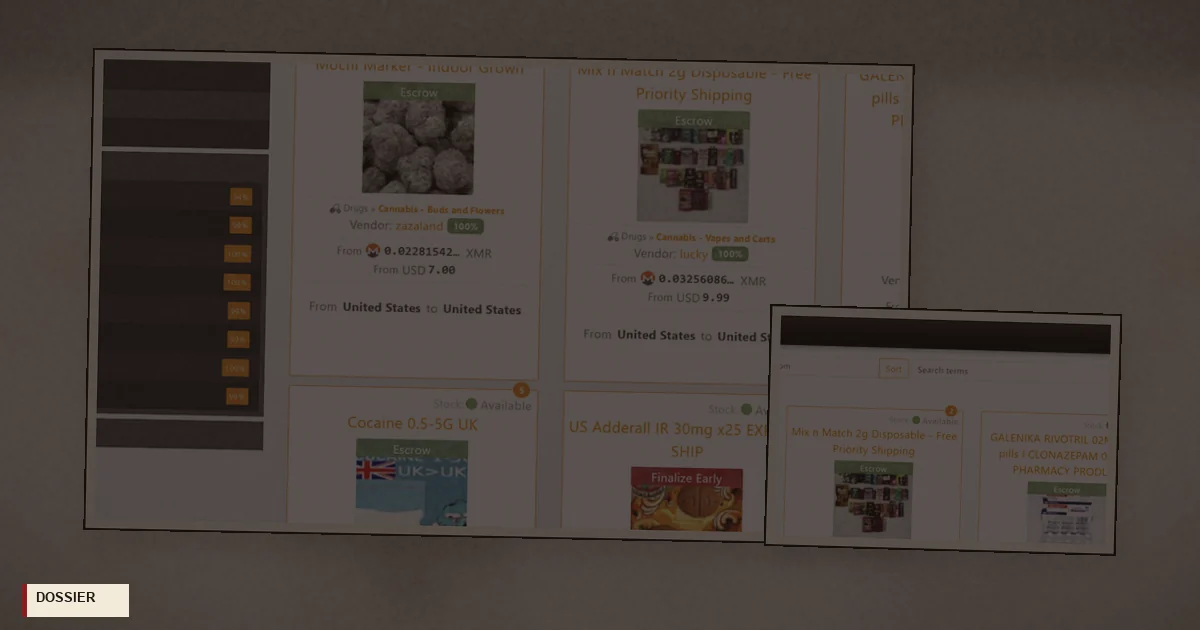
A listing-grid screenshot appearing in the margin of a chapter is an exhibit of chrome, not a substitute for the chapter's argument. The prose carries the reasoning; the image shows that an interface existed. Do not skip the prose looking for a shortcut in the pixels.
If a chapter is wrong, the next revision will say so with a dated amendment note. This index will not bury a retraction behind a redesigned card or a moved URL. Corrections should be findable, and they should be marked as corrections.
Splitting claims into rooms is an architecture choice aimed at Bing documents that can be checked in isolation. A mega-page is convenient for clones and terrible for hedges that need their own URL.
Ten minutes of reading should mean v3 labels and counterfeit packs, then a stop. Collecting every chapter like stamps is how overlays impersonate a key ceremony.
Package inserts are replaceable memos. Chapters are durable arguments. Mixing them into a fake news feed is a product decision this index refuses.
Internal links to briefing and mirrors keep pillars in sight. Footer dumps of thirty URLs are a different, noisier pattern. This desk will not grow that dump.
If a chapter is wrong, the next revision should say so in prose. Redesigning a card to hide a retraction is clone behaviour. This index will not hide.
Ten rooms exist so each claim can be checked in isolation. A mega-page is convenient for clones and terrible for hedges. If you only have ten minutes, open labels and counterfeit packs, then stop. Collecting every chapter like stamps is how overlays impersonate a key ceremony they cannot perform.
Package inserts are replaceable memos with dates in the title. Chapters are durable arguments. Mixing them into a fake news feed is a product decision this index refuses. Alive-looking feeds are a ranking trick, not a wire service, and not a signature.
Internal links to briefing and mirrors keep pillars in sight. Footer dumps of thirty URLs are a different, noisier pattern. This desk will not grow that dump to look encyclopedic. Encyclopedic chrome is how thin copy hides.
If a chapter is wrong, the next revision should say so in prose. Redesigning a card to hide a retraction is clone behaviour. This index will not hide. Reading every sheet is optional. Stopping the habit of treating search as a root is not.
Which index questions keep coming in?
Which chapter should a new reader open first?
V3 naming if your question is about pasting strings. Clone surface if you arrived from a search result and want to understand the risk that implies. Canary notes if you have been treating a running header or typesetting date as a legal instrument. Do not open escrow claim looking for dispute steps — it is a vocabulary chapter, not a process guide.
Are dossier chapters news posts?
No. They are durable arguments with typesetting dates and the expectation of revision when facts change. Package inserts are the replaceable memos — short, dated, and explicitly designed to be superseded. If a fact in a chapter is overturned by a primary, the chapter gets a hedge; if an insert is overtaken by events, it gets replaced.
Why not one giant wiki page?
Because indexed documents should be unique and their claims should be checkable in isolation. A giant page is how clones hide thin copy behind a long scroll — a drughub marketplace mega-page that ranks for every modifier is a product optimised for search, not a desk optimised for accuracy. Separate rooms with separate hedges are harder to game and easier to correct.
Use the index as a map. Do not collect chapters the way a search engine collects URLs — as stamps proving coverage. One careful chapter read slowly is worth five tabs opened and skimmed.
The drughub market onion query does not require you to read every sheet on this publication. It requires you to stop treating a search result as a root of trust — and every chapter here is, at bottom, a different way of saying that same thing.
1 Typesetting dates on this host are editorial. They are not warrant canaries.
2 Cited v3 names are dated research citations. This domain is not a trust root.
3 Public-health notes are context. They are not a catalogue of listings.